

14 symptom guides
Appliance Problems and Symptom Guides
Start from the symptom rather than the part. Each guide ranks the likely causes, shows which checks are safe to do yourself, and gives the national price band for the repair.
How do I work out what is wrong with my appliance?
Start from the symptom rather than guessing at the part. Each guide below ranks the likely causes from most to least common, shows the checks that are safe to do yourself, and says when to stop. Call (844) 578-2720 if you would rather describe it to a dispatcher.
Call (844) 578-2720 for the next available window.
Pick your symptom
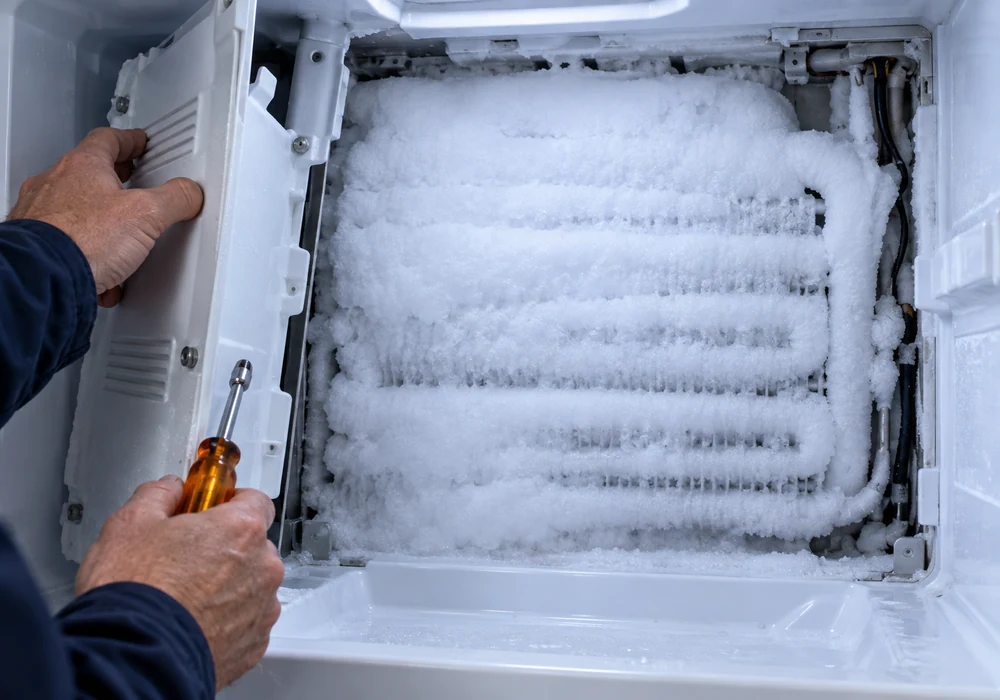
Refrigerator Not Cooling
The fan that pushes cold air from the coil into the compartments has stopped.
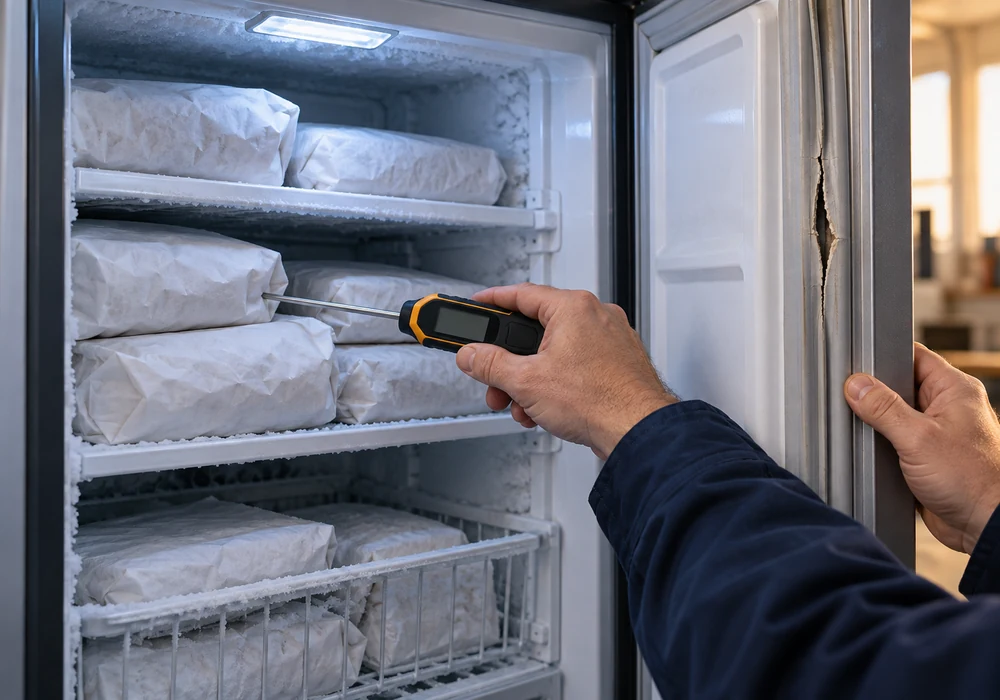
Freezer Not Freezing
The defrost cycle is no longer clearing the evaporator coil, so frost accumulates until air cannot pass through it.
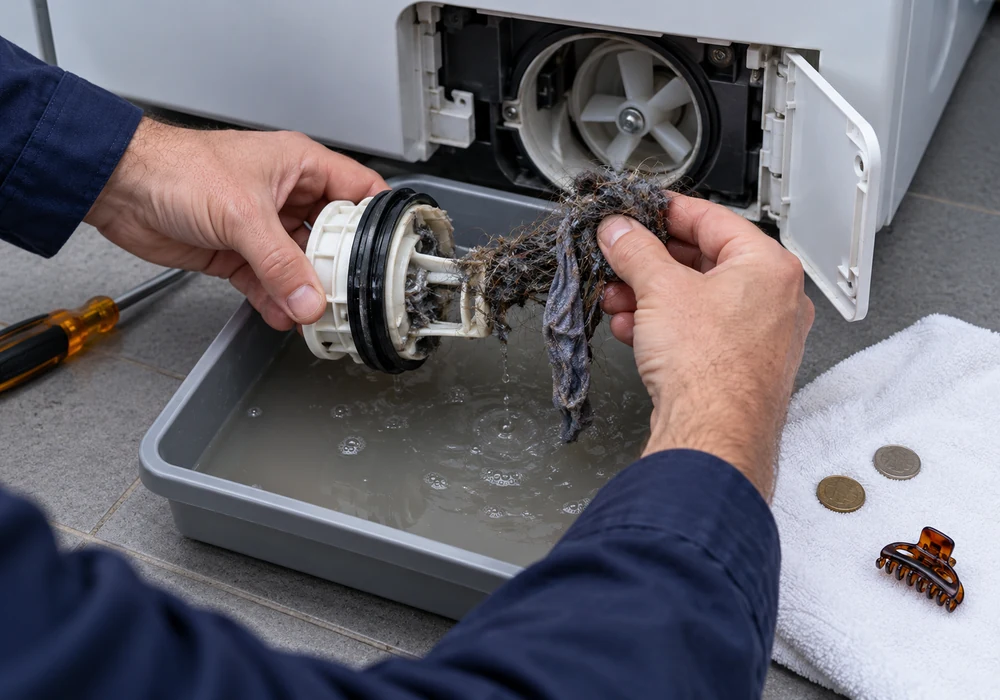
Washer Will Not Drain
Coins, hair clips, buttons and fabric scraps collect in the filter housing or wrap the pump impeller.
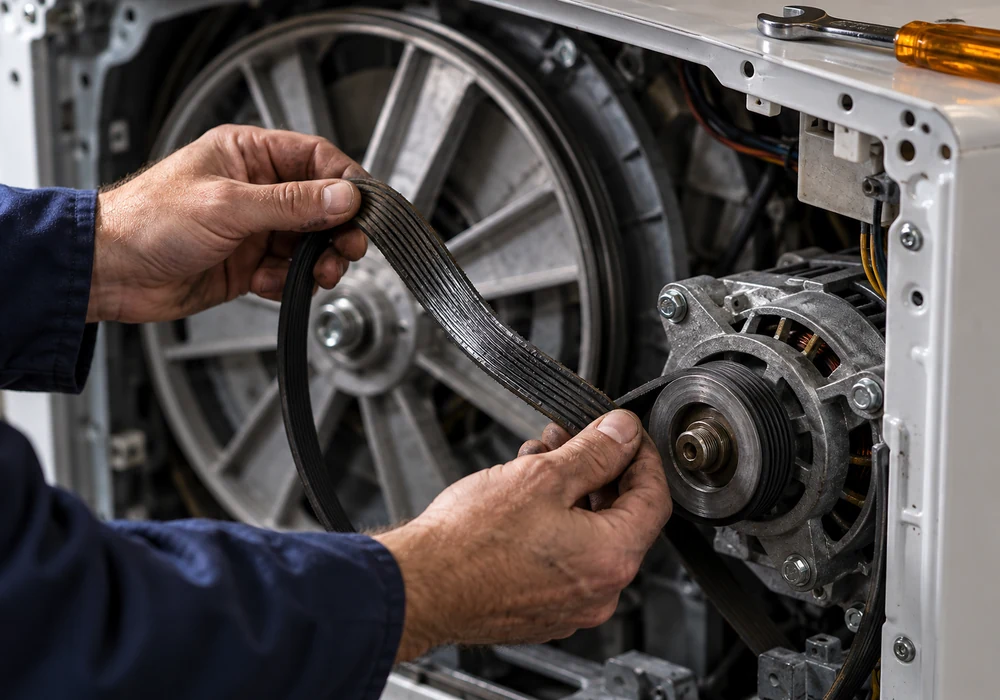
Washer Will Not Spin
The machine will not spin without confirmation the door is latched, because a spinning drum behind an open door is a safety risk.
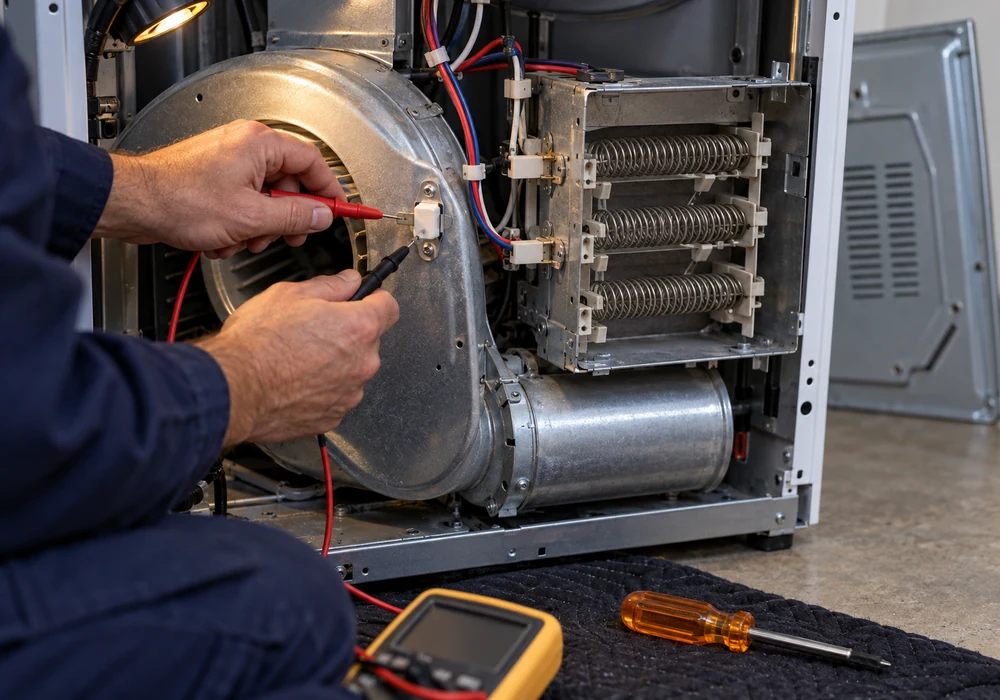
Dryer Not Heating
A one-time safety device that cuts the heating circuit after an overheat.
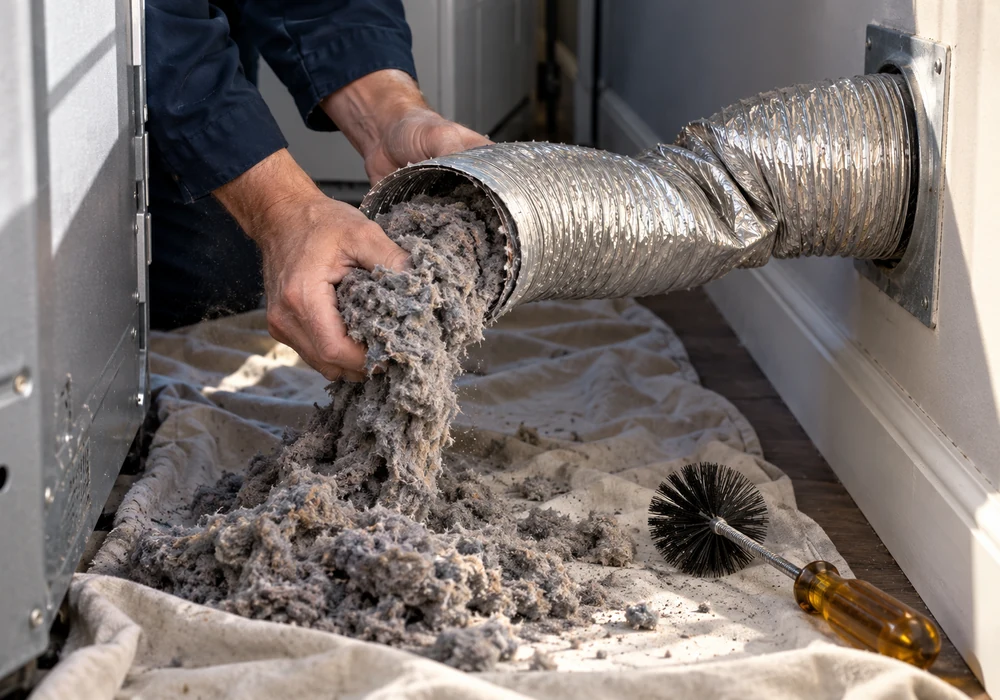
Dryer Takes Too Long
Lint accumulates along the duct and at the exterior flap until airflow collapses.
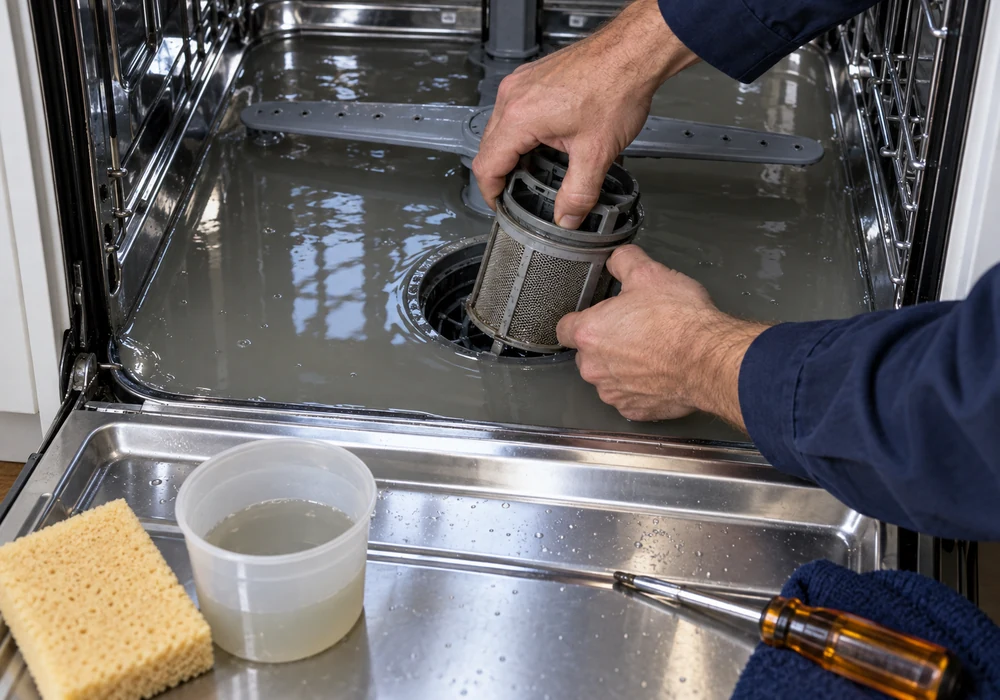
Dishwasher Not Draining
Food debris, broken glass, labels and seeds collect in the filter basket and the sump beneath it.
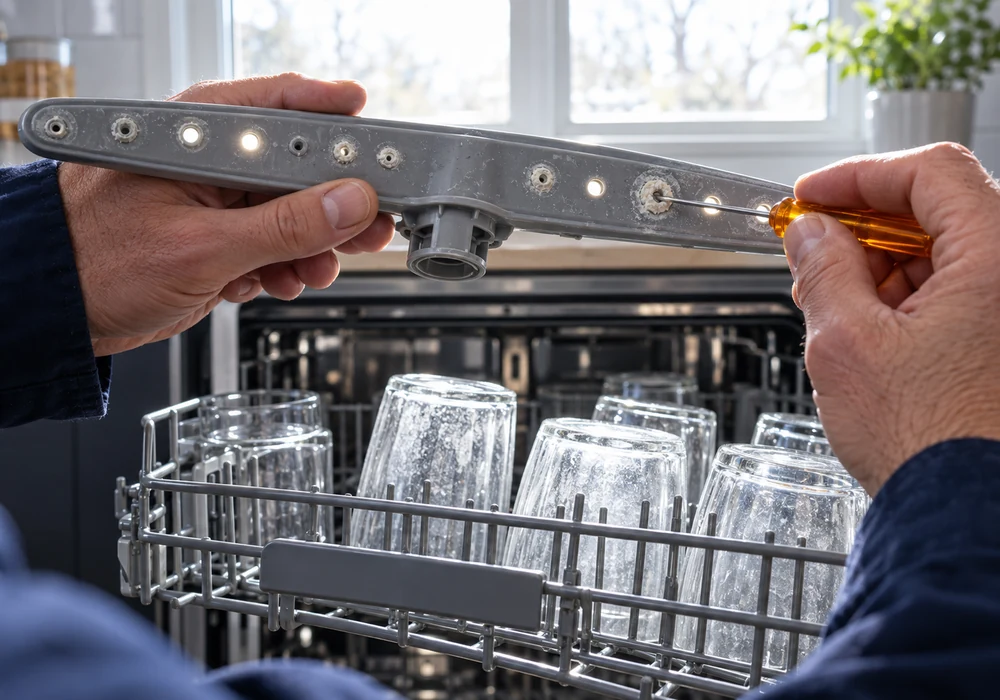
Dishwasher Leaving Dishes Dirty
Food debris and hard water scale narrow the holes in the spray arms, so pressure drops and whole sections of the rack get little water.
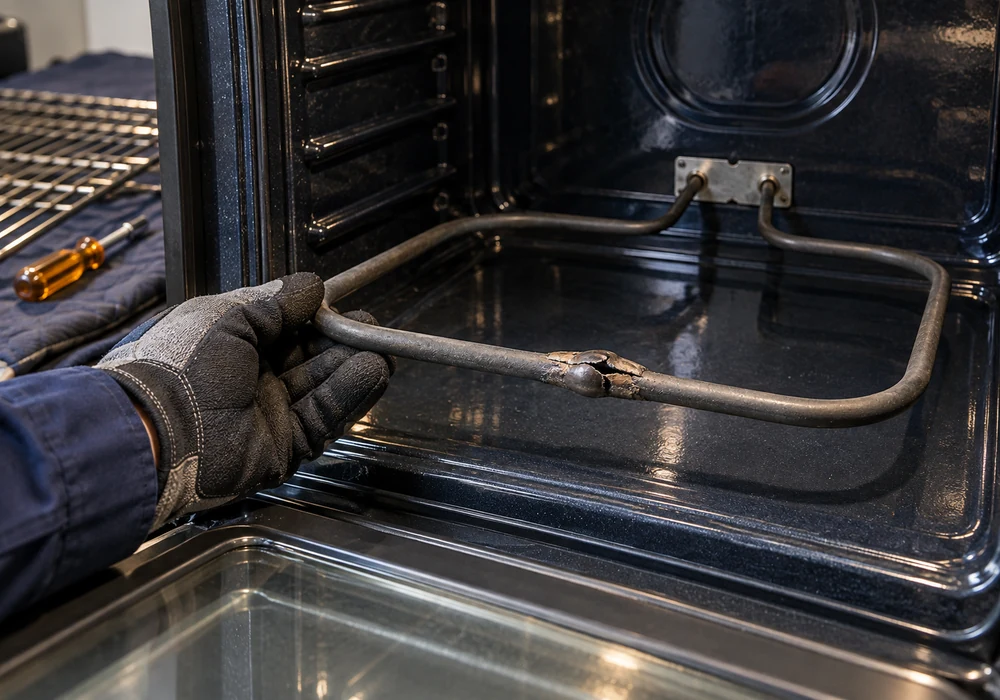
Oven Not Heating
The resistive element has broken, often visibly blistered or split.
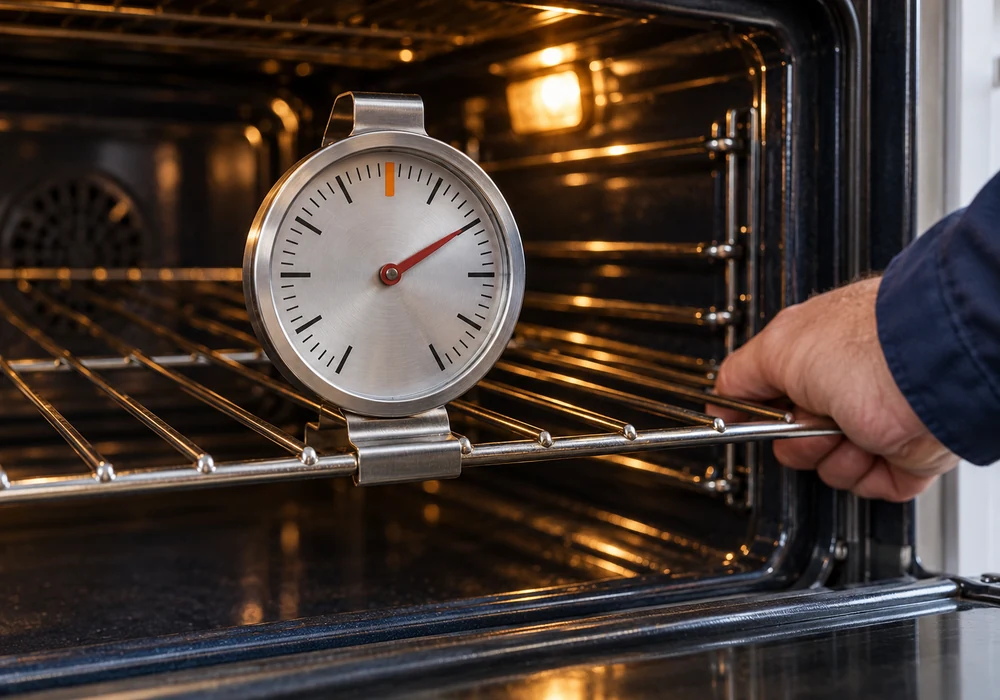
Oven Temperature Inaccurate
The sensor reports the wrong cavity temperature so the control holds the oven at the wrong setpoint.
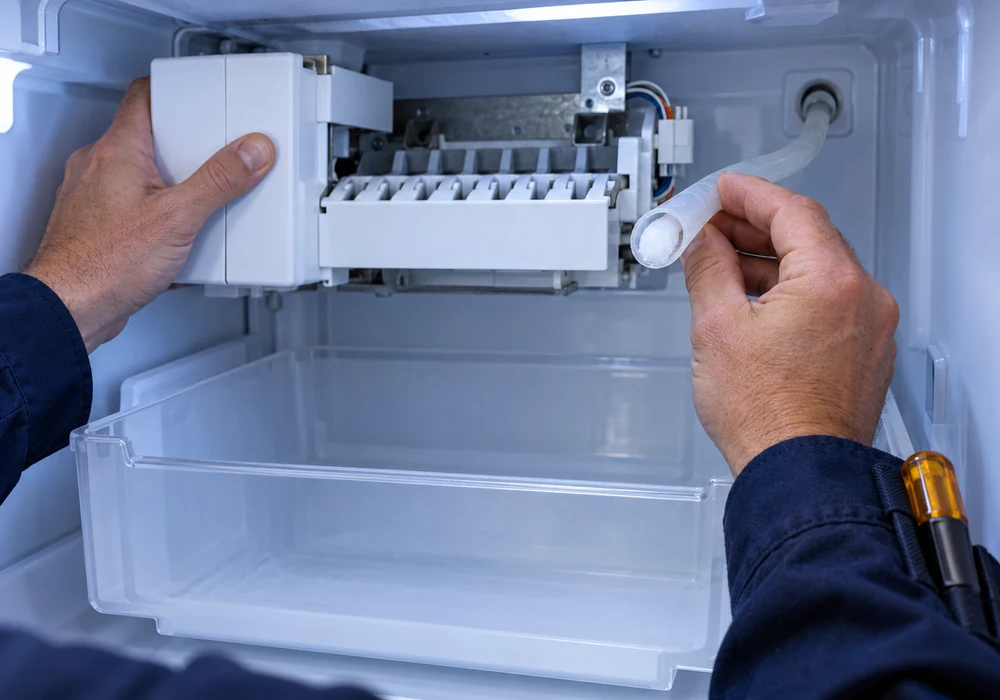
Ice Maker Not Making Ice
A filter past its service life restricts flow long before it blocks completely.
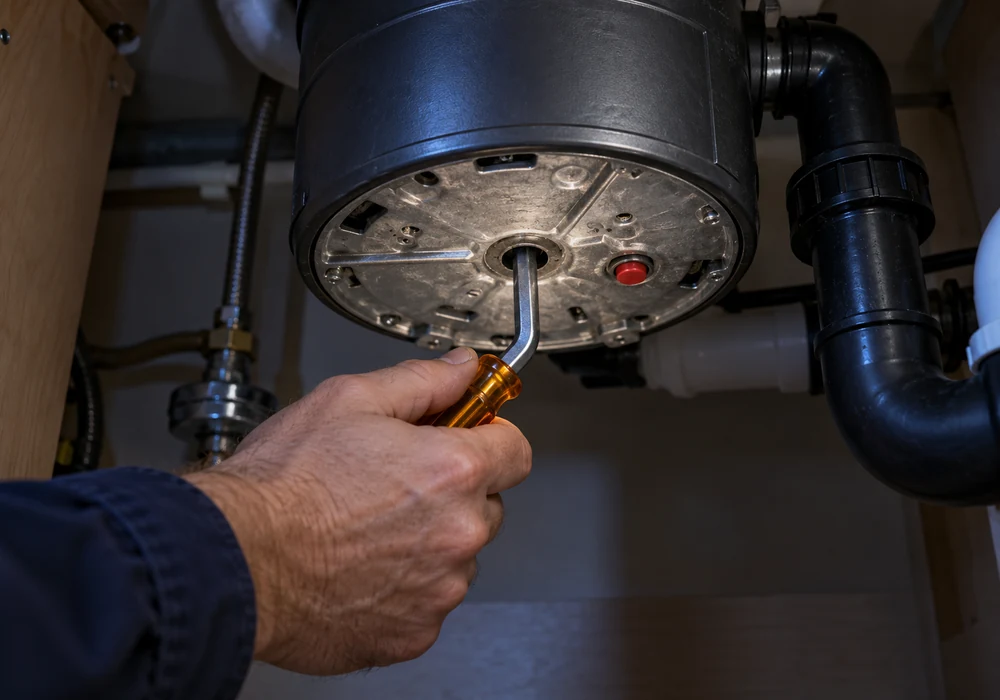
Garbage Disposal Humming
Something is physically blocking the grinding plate, and the hum is the stalled motor trying to turn it.
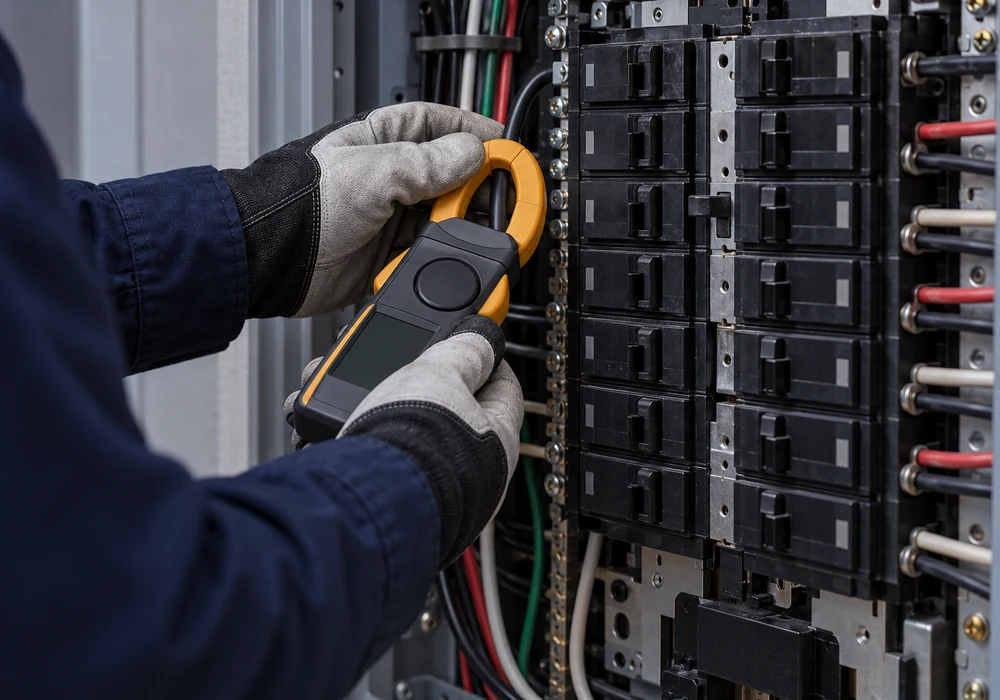
Appliance Tripping the Breaker
A motor with degrading insulation draws excess current, especially at startup.
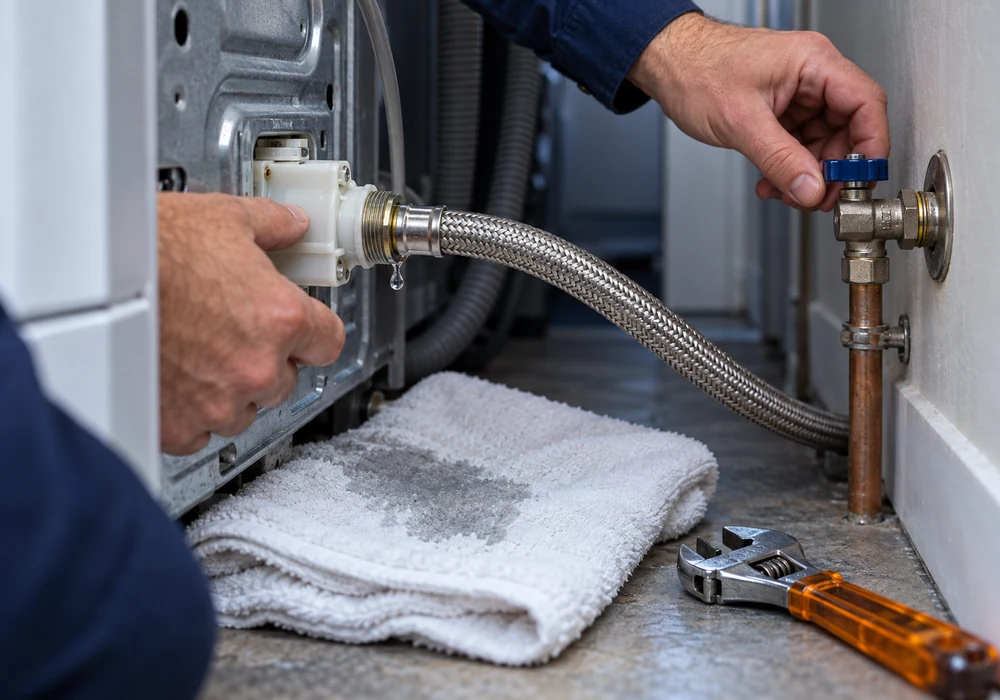
Appliance Leaking Water
On front-load washers and dishwashers the door seal takes constant wear, and the lower corners fail first.

Appliance Emergency Triage
What to shut off first, and which faults need your utility or 911 before a repair technician.
UrgentOr book by appliance
Where we operate
Questions about diagnosing appliance faults
How do I know which guide applies to my appliance?
Start from what the appliance is doing rather than what you think has failed. Each guide is named after a symptom, so match the behaviour first. If two guides seem to fit, read both, because overlapping symptoms often share one underlying cause.
Can I fix any of these myself?
Some, and we say clearly in each guide which checks are safe. Clearing a disposal jam, washing a dryer lint filter, changing a fridge water filter and clearing a dishwasher sump are all reasonable. Anything behind a panel, or inside a microwave, is not.
Which symptoms mean I should stop using the appliance now?
A burning smell, visible sparking, water reaching an outlet, a gas odour, or a breaker that keeps tripping. All five mean switching the appliance off at the breaker and leaving it off. A gas odour means leaving the building and calling your utility or 911 first.
Do these guides tell me what the repair will cost?
Each guide includes the national price band for that repair, covering parts and labor, plus the ranked causes so you can see whether you are likely at the cheap or expensive end. The exact flat price is confirmed on site after a technician has diagnosed the actual fault.
Why are the causes ranked by likelihood?
Because that is the order a good technician works in, and it saves you money. Starting with the cheapest and most common cause means many faults are resolved before any expensive component is considered. Jumping to the worst case is how people end up overpaying.
What if my symptom is not listed here?
Call and describe it. These fourteen guides cover the large majority of what we attend, but appliances find new ways to misbehave. The dispatcher will tell you which service it falls under and roughly what band it sits in, at no cost.
Stop guessing what the repair will cost.
Price bands are published on this site and the exact flat figure is confirmed on site after diagnosis. There is no hourly meter running and no surprise line on the invoice. Phone now, describe the symptom, and get a straight answer about the likely cost.
Mon to Sun, 8:00 AM to 5:00 PM EST. Call us any day between 8:00 AM and 5:00 PM EST.