

Urgent dispatch
Emergency Appliance Repair in New York
Urgent appliance faults across 12 New York cities and 433 ZIP codes. Read the triage list first, then call. Some faults need your utility or 911 before they need us.
What should I do first in an appliance emergency in New York?
Make it safe before you make the call. Unplug the appliance or switch off its breaker, close the water or gas valve, and move people away. Then phone (888) 217-4156. If you smell gas or see smoke, leave the building and call your utility or 911 first.
Call (888) 217-4156 for the next available window.

Is this an emergency in New York?
Call us now
- A full freezer that is warming up, with food at risk
- A washer that is actively leaking onto the floor
- A burning smell coming from the dryer during or after a cycle
- An oven that will not switch off, or a control panel stuck in a cycle
- A freezer that is thawing, especially a chest freezer holding bulk food
Call your utility or 911 first
- A gas smell anywhere near the appliance. Leave the building first, then call your gas utility or 911 from outside
- Sparking, arcing or smoke from an appliance or its outlet
- Standing water that has reached an electrical outlet or an extension lead
- Any active fire, however small. Do not open an oven or dryer door to check
We are an appliance repair company, not an emergency service. For any of the above, the utility or the fire service must come first. Guidance: US Fire Administration home fire prevention (opens in a new tab) and CPSC appliance recall notices (opens in a new tab) .
Shut it off safely
Unplug it
Pull the plug if you can reach it safely and the area is dry. If you cannot, switch off the breaker for that circuit at the panel instead.
Close the water valve
For a washer, close the supply valve behind or beneath the appliance. Turn it clockwise until it stops.
Close the gas valve
For a gas range, oven or dryer, close the appliance shut-off valve on the supply line. If you smell gas, leave the building and call from outside instead.
Clear the area
Move people, pets and anything flammable away. Mop standing water so it cannot reach an outlet, and leave the appliance switched off until a technician arrives.
What drives appliance emergencies in New York
New York winters are hard on anything plumbed to an outside wall, and ice maker lines are the usual casualty. Upstate snow load and cold mean long heating seasons and very dry indoor air, while downstate the issue is age: pre-war buildings run older wiring that struggles with a modern appliance load.
Compact and stacked units dominate New York apartments, and walk-up access changes what a repair visit looks like. Many buildings also require a certificate of insurance before a technician can work on site, which is worth checking with your super before you book.
Those two factors explain most of the urgent New York calls we take. Across 12 cities and 433 ZIP codes the pattern repeats: the appliances that fail suddenly here are the ones carrying the heaviest local load, and the failures cluster in the season that loads them.
If a repair dispute follows an emergency callout, New York consumers can contact the New York Attorney General, Consumer Frauds (opens in a new tab) . For product safety recalls, check CPSC appliance recall notices (opens in a new tab) , and for fire prevention guidance see US Fire Administration home fire prevention (opens in a new tab) .
What same-day realistically means
Same-day service in New York means a technician arrives before the end of the working day, not within the hour. Whether it happens depends on three things: how early you call, how many technicians are already committed nearby, and whether the part your appliance needs is standard van stock or has to be ordered.
Calls placed in the morning have the best chance. By late afternoon the day is usually committed, and the honest answer becomes the first window tomorrow. A dispatcher who promises same-day without checking is guessing, so we tell you what is actually open instead.
A same-day visit also does not always mean a same-day repair. If the fault turns out to be a brand-specific control board or a sealed-system component, the diagnosis happens today and the part is fitted on a return visit. The technician tells you which situation you are in before you approve anything, and nothing is dismantled until you have agreed to the work.
Highest-urgency repairs in New York
These are the appliances where a fault escalates fastest, either because food is at risk or because the failure mode itself is hazardous.
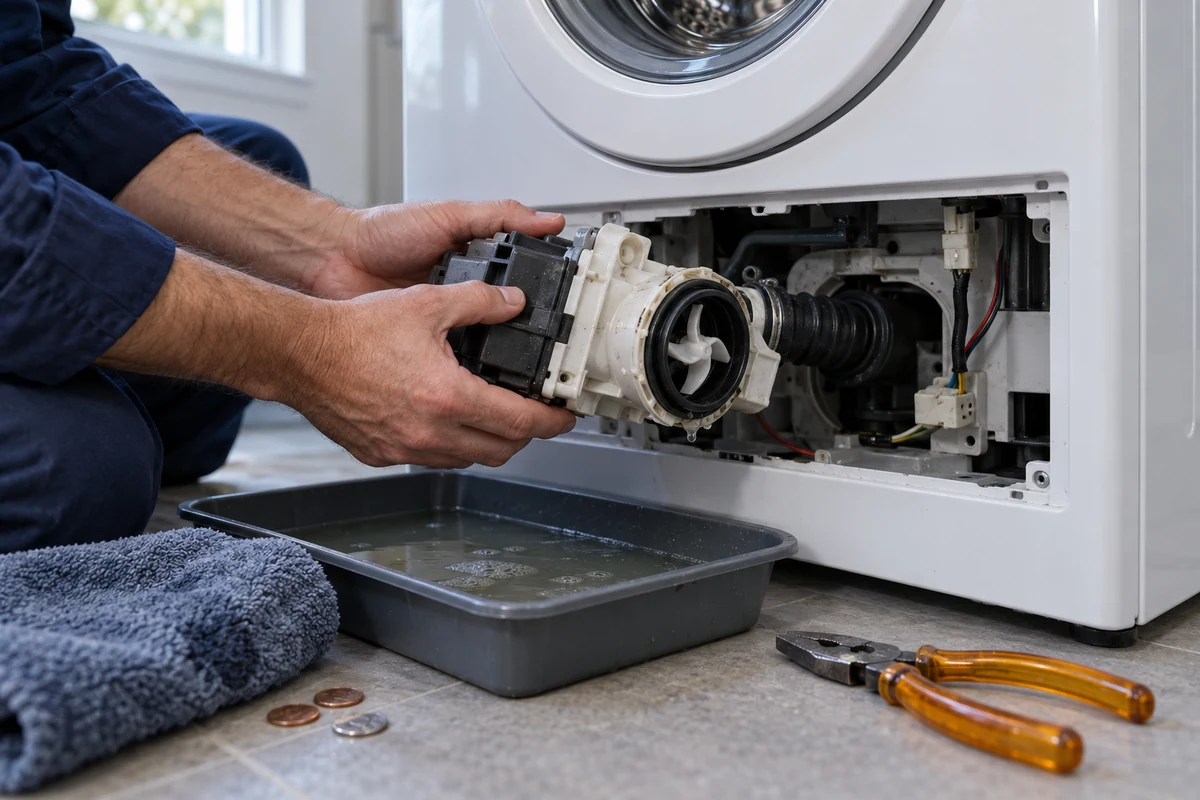 Urgent
Washing Machine Repair in New York
Washer will not drain, spin or start.
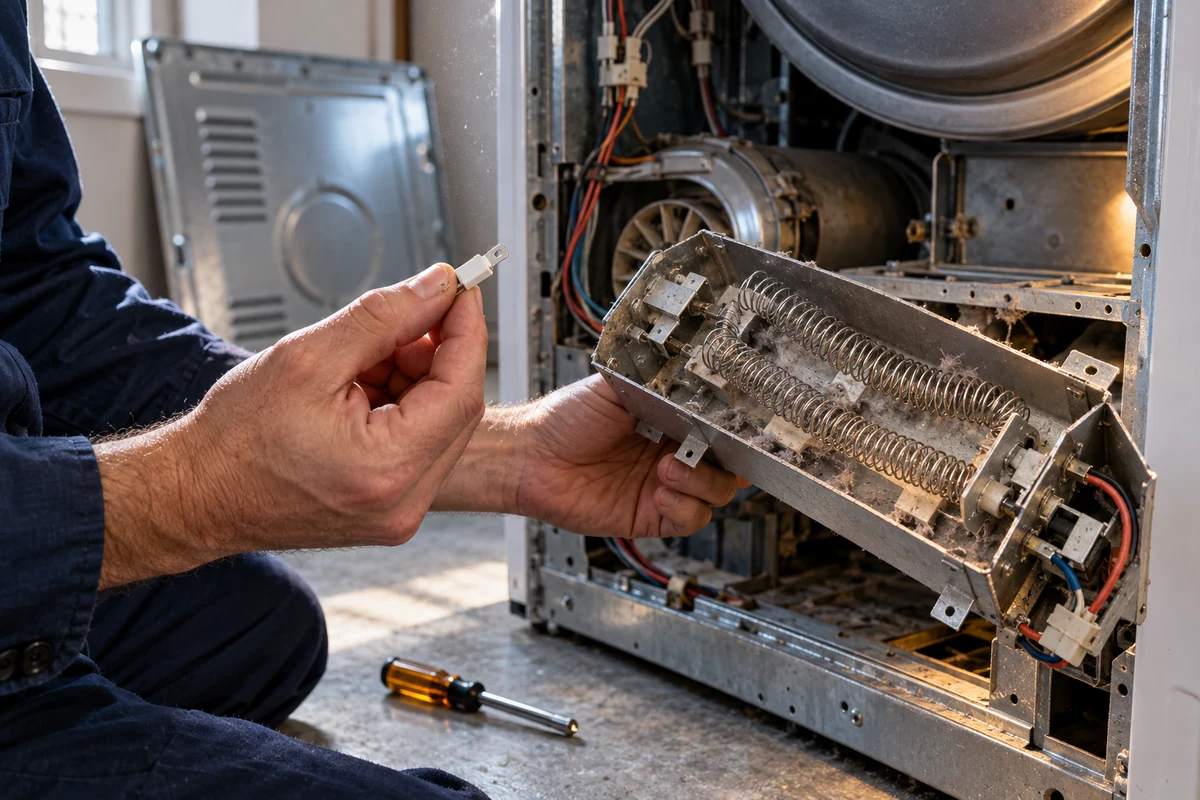 Urgent
Dryer Repair in New York
No heat, long cycles or a drum that will not turn.
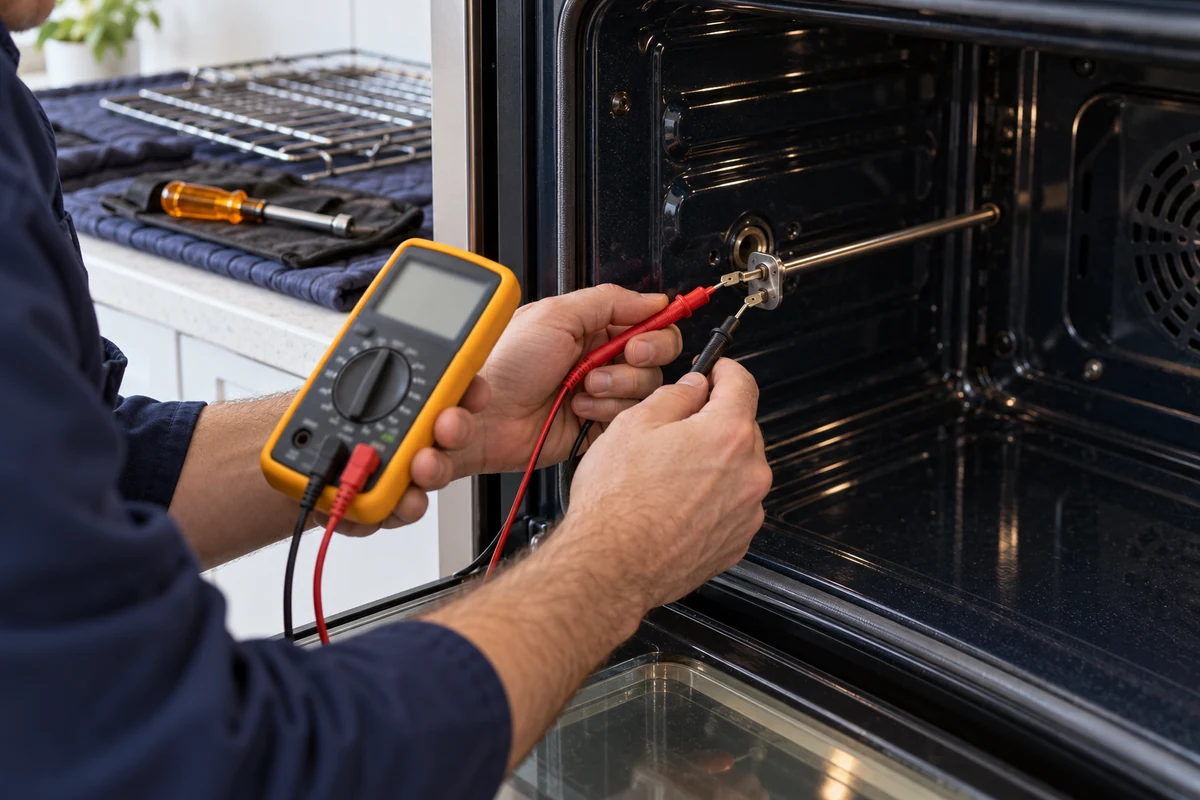 Urgent
Oven and Range Repair in New York
Oven will not heat or bakes unevenly.
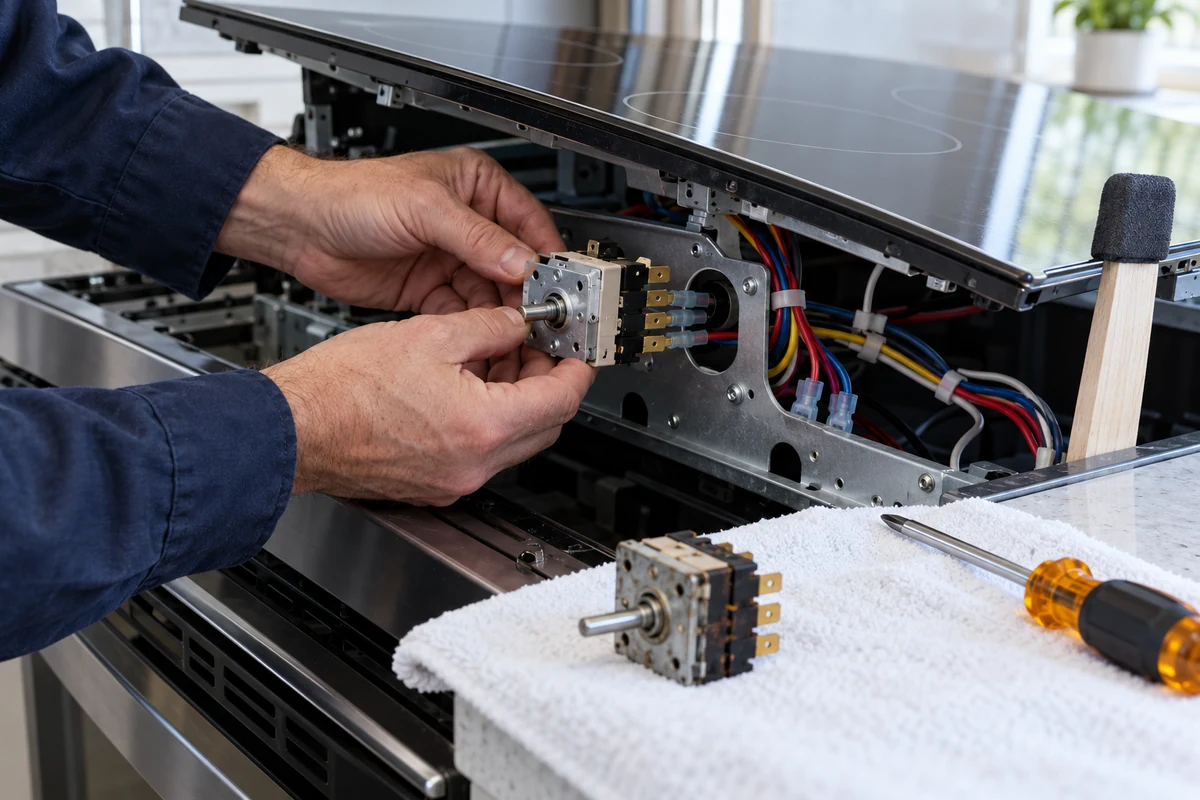 Urgent
Stove and Cooktop Repair in New York
Burners will not light or elements stick on.
 Urgent
Freezer Repair in New York
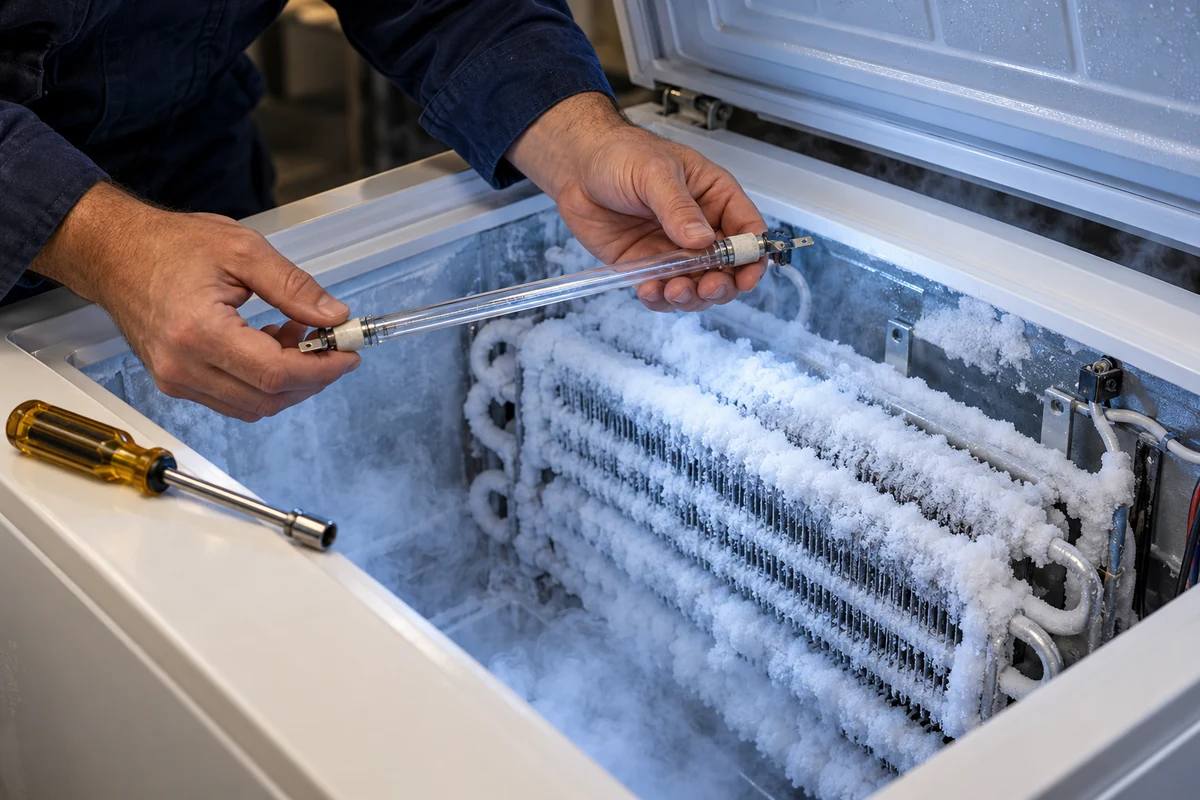
Freezer running warm or frosting over.
Not sure what has failed?
Start from the symptom. Each guide ranks the likely causes and says when to stop and unplug it.
Where urgent calls come from in New York
A sample of the New York areas urgent calls are routed from, with the housing mix behind the faults we see there. Each links to that city's own emergency page.
- Albany (Albany County, 50 ZIP codes)
Albany rowhouses are old and narrow, with laundry typically in a basement that drops below freezing in winter. Urgent calls here reach Downtown, Pine Hills, Center Square, Delaware Avenue. Routes there pass Hudson River and Empire State Plaza.
- New York City (New York County, 146 ZIP codes)
Manhattan apartments run compact and often stacked, with building certificates of insurance and service elevators shaping every appliance visit. Urgent calls here reach Upper West Side, Upper East Side, Harlem, Chelsea, East Village, Washington Heights, Financial District. Routes there pass Central Park and Hudson River.
- Rochester (Monroe County, 40 ZIP codes)
Rochester homes are old and well insulated against cold, but unheated basements still put washer hoses at freeze risk. Urgent calls here reach Park Avenue, South Wedge, Browncroft, Charlotte. Routes there pass Genesee River and Lake Ontario.
- Syracuse (Onondaga County, 28 ZIP codes)
Syracuse gets heavy snow and long heating seasons, which dries indoor air and stresses dryer moisture sensors. Urgent calls here reach Downtown, Eastwood, Westcott, Strathmore. Routes there pass Onondaga Lake.
- Buffalo (Erie County, 44 ZIP codes)
Buffalo housing is largely pre-war with basement laundry, and lake-effect winters freeze any line on an outside wall. Urgent calls here reach Elmwood Village, North Buffalo, Allentown, South Buffalo. Routes there pass Lake Erie and Niagara River.
- Jamaica (Queens County, 13 ZIP codes)
Jamaica mixes two-family homes and apartment buildings, so a single address often has two separate kitchens. Urgent calls here reach Jamaica Center, Hollis, South Jamaica, Briarwood. Routes there pass Rufus King Park.
- Bronx (Bronx County, 25 ZIP codes)
The Bronx is dominated by larger apartment buildings, where shared risers mean a leak affects more than one unit. Urgent calls here reach Riverdale, Fordham, Pelham Bay, Mott Haven, Throgs Neck. Routes there pass Bronx Park and Harlem River.
- Flushing (Queens County, 8 ZIP codes)
Flushing has dense mid-rise housing where appliance delivery and service routes through shared corridors. Urgent calls here reach Downtown Flushing, Murray Hill, Queensboro Hill, Auburndale. Routes there pass Flushing Meadows Corona Park.
- Great Neck (Nassau County, 7 ZIP codes)
Great Neck has a high share of large single-family homes with premium and built-in appliances. Urgent calls here reach Great Neck Plaza, Kings Point, Russell Gardens. Routes there pass Manhasset Bay.
Emergency coverage by city
Every New York city we serve has its own emergency page with local dispatch detail. Urgent calls are routed to the nearest available technician rather than a district van.
For routine bookings, start from the New York service area page instead.
Emergency appliance repair in New York, common questions
Should I turn the appliance off myself?
Yes, if you can do it safely and the area is dry. Unplug it, or switch off its breaker if the plug is unreachable. Close the water supply valve if it is plumbed in. If you smell gas, leave the building first and call from outside.
My freezer is thawing. What should I do now?
Keep the door shut, because a full freezer holds temperature for roughly 48 hours unopened. Move the most valuable items to a cooler with ice, then call for a diagnosis. Opening the door repeatedly to check is the fastest way to lose the contents.
Can you come out at night in New York?
After-hours emergency dispatch is available in most New York service areas, though not every ZIP code every night. Mon to Sun, 8:00 AM to 5:00 PM ET are our standard hours. Call and the dispatcher will tell you honestly what is available tonight versus first thing tomorrow.
Do you offer weekend appointments in New York?
Yes. We take bookings seven days a week, with weekend hours running from eight in the morning until six in the evening. Weekend slots fill faster than weekdays, so calling earlier in the week gives you more choice. After-hours emergency dispatch is available in most areas.
What should I do before the technician arrives?
Clear a working path to the appliance, move anything fragile out of the way, and note exactly what the appliance does and when it started. If it is leaking, close the water supply valve. Have the brand and model number ready, usually on a plate inside the door frame.
Which cities do you cover in New York?
We serve 12 cities across New York, covering 433 ZIP codes in total. Every city has its own page listing the exact ZIP codes dispatched to, so you can confirm your own address in seconds. The full list appears further down this page.
Urgent fault? Say so when you call.
Actively leaking appliances, thawing freezers and anything producing a burning smell are moved ahead of routine bookings wherever a technician is working nearby. Tell the dispatcher what is happening and how long it has been happening, and you will be triaged accordingly.
Mon to Sun, 8:00 AM to 5:00 PM ET. The dispatch line takes calls any day between 8:00 AM and 5:00 PM ET. Outside those hours the line is closed and reopens at 8:00 AM ET.